


Before coffee beans enter storage, roasting or further processing, removing unwanted materials and separating beans with different physical characteristics are important steps in preparing consistent raw materials.
A suitable coffee bean cleaning processing line can combine several machines to handle different separation tasks. Depending on the incoming coffee bean condition and the buyer's quality requirements, the system may include a de-stoner, gravity separator, vibration grader and magnetic separator.
Hebei Julite Sorting Technology Co., Ltd. provides grain and seed cleaning equipment and customized processing line solutions. The company has completed a coffee bean processing project in Thailand, where multiple types of cleaning and separation equipment were configured according to the customer's plant conditions.
For coffee processors, exporters and agricultural product suppliers, understanding the function of each machine is an important step in selecting the right processing solution.
A real project can help buyers understand how different cleaning machines work together in a commercial processing facility.
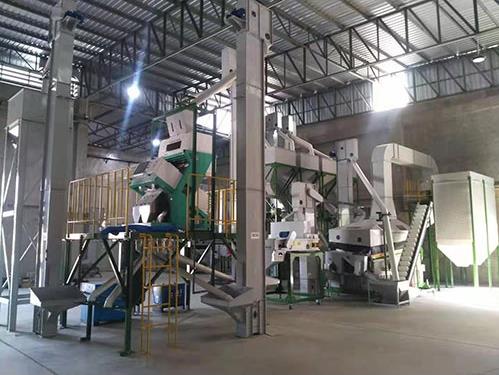
Julite completed the commissioning of a coffee bean processing plant in Thailand in January 2020. According to the published project information, the equipment configuration included:
De-stoner
Vibration grader
Gravity separator
Magnetic separator
Other supporting equipment
The processing plant was customized according to the customer's factory conditions.
The project demonstrates an important point for coffee processors: a cleaning line should be designed around the raw material, required separation functions and available installation space rather than using the same equipment combination for every factory.
Project reference: Julite Coffee Bean Processing Line in Thailand
Different machines perform different separation tasks. The final equipment combination depends on the impurities in the incoming coffee beans and the required finished product quality.
A coffee bean de-stoner is used to separate stones and other dense impurities from the coffee beans.
Stones and soil particles may enter the raw material during harvesting, transportation or handling. If they are not removed, they can affect subsequent processing and create additional risks for downstream equipment.
A de-stoner separates materials according to differences in physical characteristics, including density and movement behavior on the separation surface.
When selecting a machine, buyers should consider:
Types and quantities of stones in the raw material
Required processing capacity
Coffee bean size and condition
Expected separation result
Connection with upstream and downstream equipment
Julite offers different de-stoner models, including QSC-7, QSC-10 and QSFX-150.
A coffee bean gravity separator is designed to separate materials with differences in specific gravity, even when their particle sizes are relatively similar.
In coffee bean processing, density differences may help separate heavier, sounder beans from lighter or less desirable materials, depending on the characteristics of the incoming product.
The separation result depends on several operating factors, including material moisture, particle characteristics, feeding rate and machine settings.
Julite's gravity separator product range includes 5XZ-6, 5XZ-8 and 5XZ-15 models.
A coffee bean vibration grader separates materials according to particle size.
Different screen openings can be selected to classify beans into different size ranges. This can be useful for processors who need more consistent product sizing before storage, packaging or further processing.
The screen configuration should be determined according to the coffee bean variety and the buyer's grading requirements.
Julite provides 5XFJ Series Vibration Graders and other grading equipment for grain and seed processing applications.
A magnetic separator is used to remove magnetic metal contaminants from the material flow.
This equipment can be considered as part of a coffee bean cleaning system when the raw material handling process may introduce metal particles.
It serves a different function from a de-stoner or gravity separator. Therefore, the equipment combination should be based on the actual contamination risks and cleaning requirements of the processing plant.
Julite's magnetic separator range includes the 5CX-5II and 5CX-10 models.
A commercial coffee bean cleaning line may use multiple stages to handle different types of impurities and product separation requirements.
The following is a reference workflow that can be adjusted according to the raw material condition.
Coffee beans are fed into the processing system through the selected feeding equipment.
The feeding rate should remain compatible with the capacity of the following machines. An unstable feeding rate can affect separation performance.
The de-stoner separates stones and other dense impurities from the coffee beans.
This stage helps reduce unwanted heavy materials before the beans enter further cleaning and grading processes.
A gravity separator can be added when the raw material contains beans or particles with different density characteristics.
This stage is particularly relevant when the processing target requires additional separation beyond basic size screening.
A vibration grader separates the coffee beans according to the selected screen openings.
The number of grading fractions and the screen specifications should be determined by the final product requirements.
A magnetic separator can be incorporated into the material flow to remove magnetic metal contaminants.
After the required cleaning and separation stages, the finished material can be conveyed to storage or packaging equipment.
Not every coffee processing project requires all these stages. The actual sequence and equipment configuration should be confirmed through raw material evaluation and technical discussion.
Choosing the right coffee bean cleaning machine requires more than comparing equipment prices or model numbers. Buyers should first identify what needs to be removed from the raw coffee beans.
The incoming material may contain different types of impurities depending on harvesting, drying, transportation and storage conditions.
Common materials to evaluate include:
Dust and lightweight impurities
Stones and soil particles
Plant residues
Broken or undersized beans
Beans with different density characteristics
Magnetic metal contaminants
Providing photographs or a raw material sample can help the manufacturer evaluate the required cleaning functions.
Processing capacity determines the size and combination of equipment needed.
Before requesting a quotation, clarify:
Required tons per hour
Daily operating hours
Expected annual processing volume
Whether the plant operates continuously
Whether future production expansion is planned
The actual processing capacity should be confirmed for the specific coffee bean variety and raw material condition. A machine's rated capacity should not automatically be treated as the output of the complete production line.
Different coffee processors may have different quality and grading requirements.
For example, one buyer may mainly need stone removal, while another may require density separation and size classification.
Clarifying the final product specifications helps determine whether the line needs a basic cleaning configuration or a more complete separation system.
The available factory space affects equipment arrangement, material transfer and maintenance access.
Buyers should prepare the following information:
Factory length, width and height
Raw material feeding location
Finished product discharge location
Available power supply
Existing conveyors or handling equipment
Space available for future expansion
This information helps the manufacturer evaluate the equipment layout before production.
Not all coffee processing plants require the same equipment combination. The right solution depends on the type of coffee beans, the incoming material condition and the intended processing stage.
For facilities that mainly need to remove stones, dust and larger foreign materials, a basic cleaning configuration may be sufficient.
The equipment selection should focus on the main impurity types and the required throughput.
Processors that need to classify coffee beans into different size ranges may require a vibration grading machine.
Screen openings should be selected according to the required grading standards rather than using a general configuration for every coffee variety.
When the material contains beans with different density characteristics, a gravity separator may be considered.
This equipment can provide an additional separation stage when ordinary screening is not sufficient for the desired result.
For commercial plants with several cleaning requirements, multiple machines can be connected into one processing system.
A customized configuration can help coordinate the functions of de-stoning, density separation, grading and magnetic separation.
Hebei Julite Sorting Technology Co., Ltd. was established in 2006 and specializes in grain cleaning and seed processing equipment.
Its product range includes:
Air-screen cleaners
De-stoners
Gravity separators
Magnetic separators
Vibration graders
Polishing machines
Elevators
Grain and seed processing lines
The company provides equipment for different agricultural materials and can discuss processing line configurations according to project requirements.
For coffee bean processing projects, Julite can evaluate:
Coffee bean variety and condition
Main impurity types
Required processing capacity
Density separation requirements
Size grading standards
Factory dimensions and equipment layout
The Thailand coffee bean project provides a reference for buyers who need a customized equipment combination rather than a single standalone machine.
When contacting a coffee bean processing equipment supplier, detailed project information helps reduce unnecessary equipment selection and makes technical communication more efficient.
Prepare the following information:
| Information | Details to Provide |
|---|---|
| Raw material | Coffee bean type and condition |
| Processing capacity | Required tons per hour |
| Main impurities | Stones, dust, plant residues, metal or other materials |
| Cleaning target | Required cleaning and separation results |
| Grading requirements | Desired bean size ranges, if applicable |
| Factory dimensions | Available length, width and height |
| Project location | Country and installation site |
| Power supply | Local voltage and frequency |
If possible, provide a sample or clear photographs of the raw coffee beans and impurities.
You can also use Julite's processing demand survey to submit your material type, capacity, impurity information and project location.
Common equipment options include air-screen cleaners, de-stoners, gravity separators, vibration graders and magnetic separators. The required combination depends on the raw material and the cleaning target.
A coffee bean de-stoner is used to separate stones and other dense impurities from coffee beans. It is particularly useful when the raw material contains heavy foreign materials.
A gravity separator separates materials according to differences in specific gravity, while a vibration grader classifies materials according to particle size through screening. They perform different functions and may be used together in a processing line.
Yes. The equipment combination and layout can be discussed according to the raw material condition, required capacity, cleaning target and available factory space.
Julite's Thailand coffee bean processing project is an example of a customized system containing several types of separation equipment.
Start with the required hourly throughput and then evaluate the raw material variety, impurity content and processing requirements. The capacity of each machine should be coordinated with the complete production line.
Julite provides grain and seed cleaning equipment and customized processing line solutions. Buyers can discuss their coffee bean processing requirements with the technical team to determine a suitable equipment combination.
Selecting a suitable coffee bean cleaning processing line requires a clear understanding of the raw material, impurity types and finished product requirements.
Julite's coffee bean processing project in Thailand demonstrates the use of a de-stoner, vibration grader, gravity separator and magnetic separator in one customized plant.
If you are looking for a coffee bean cleaning machine manufacturer or processing equipment supplier in China, contact Hebei Julite Sorting Technology Co., Ltd. with your project information.
To receive a more relevant equipment recommendation, provide:
Coffee bean type and raw material photographs
Required processing capacity
Main impurities to be removed
Required cleaning and grading results
Factory dimensions
Project country
Send your coffee bean processing requirements to Julite and discuss an equipment solution designed for your production needs.
Processing demand survey
x