


In grain and seed processing plants, conveying equipment plays an important role in maintaining product quality throughout the production process. Seeds and grains often pass through several stages, including cleaning, grading, sorting, and packaging. If the conveying system handles materials too aggressively, it may increase kernel breakage and affect the quality of the finished product.
An ultra low speed bucket elevator is designed to lift bulk materials between processing stages while reducing the impact associated with high-speed conveying. It is particularly worth considering for seed processors, grain cleaning plants, and agricultural product manufacturers that need to balance conveying efficiency with material protection.
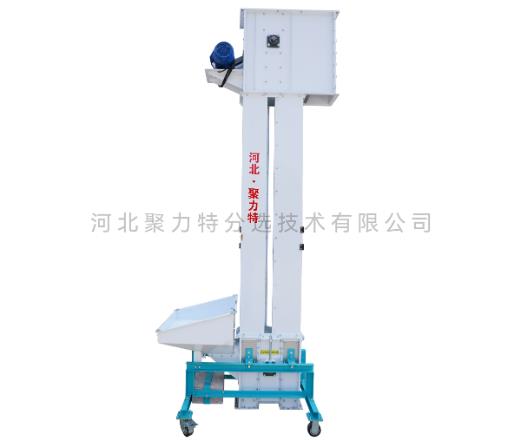
Hebei Julite Sorting Technology Co., Ltd. provides grain and seed processing equipment, including the DTY-10MII Ultra Low Speed No Broken Elevator. Its design focuses on low-speed operation and self-weight unloading to help reduce material damage during lifting.
Traditional conveying equipment may cause grain to collide with internal surfaces or other kernels during loading and discharge. The actual level of damage depends on the material, moisture content, equipment design, operating speed, and handling conditions.
A low breakage grain elevator can help address these concerns through controlled conveying and a discharge design that reduces unnecessary throwing and impact.
For seed producers and food-grade grain processors, maintaining kernel integrity can be an important quality requirement. Broken seeds may affect product appearance, grading results, or suitability for particular applications.
A low-speed elevator is worth evaluating when handling fragile seeds, valuable agricultural products, or materials that require careful movement between processing stages.
A well-matched grain bucket elevator can transfer material from one machine to another, helping reduce manual handling and maintain a more consistent material flow.
In a grain cleaning plant, the elevator may be used to feed cleaning equipment, transfer cleaned grain to a grading machine, or move processed material toward a packaging station. The arrangement should be determined by the plant layout and required processing capacity.
Seed processing often involves several operations, such as pre-cleaning, size grading, gravity separation, and packaging. A suitable seed bucket elevator can help connect these stages without requiring operators to move materials manually between machines.
For processors handling multiple seed varieties, the elevator should be selected according to material characteristics, required throughput, available installation space, and cleaning requirements.
An ultra low speed bucket elevator lifts material vertically through a controlled conveying process. Buckets collect material from the lower feeding section and carry it upward. At the discharge section, the machine releases material according to its unloading design.
The DTY-10MII model uses self-weight unloading and a low line speed to help reduce the impact associated with throwing material at the discharge point. Its product information also identifies a geared motor drive and an internal anti-winding design.
These features are relevant for grain and seed processors looking to improve handling conditions while maintaining a practical conveying system.
Low-speed operation: Helps control material movement during lifting.
Self-weight unloading: Reduces the need for high-speed material throwing at discharge.
Geared motor drive: Supports controlled operation.
Anti-winding design: Helps reduce the risk of material or components becoming entangled inside the machine.
Compact installation arrangement: Overall dimensions should be checked against the available plant space and the connection points of upstream and downstream equipment.
Actual conveying performance and breakage levels depend on operating conditions and the characteristics of the material being processed.
For buyers comparing grain conveying equipment, model specifications provide a starting point for evaluating suitability.
The published specifications for the DTY-10MII include the following:
| Parameter | DTY-10MII |
|---|---|
| Equipment type | Ultra low speed elevator |
| Model | DTY-10MII |
| Motor power | 0.55 kW |
| Listed capacity | 10 t/h |
| Weight | 0.58 t |
| Overall dimensions | 1520 × 800 × 3390 mm |
| Main design feature | Self-weight unloading and low-speed operation |
These figures are based on the manufacturer's published product information. Actual capacity should be confirmed for the material, bulk density, feeding conditions, and intended operating configuration.
For detailed model information, see the DTY-10MII Ultra Low Speed No Broken Elevator.
An elevator for grain processing can be used in different agricultural handling operations. The most suitable configuration depends on the crop, the processing sequence, and the required output.
Grain cleaning plants use elevators to transfer raw materials to pre-cleaners and move cleaned grain between processing stages. A low-speed design may be worth considering when reducing handling damage is a priority.
Seed processors often need to preserve seed integrity while moving materials through cleaning, grading, and preparation stages. A suitable elevator can support material transfer within a complete seed processing line.
Beans and pulses may require several stages of cleaning, separation, and grading. When selecting conveying equipment, processors should consider bean size, shape, surface condition, and the potential for damage during repeated transfers.
Sunflower seeds and other agricultural products may pass through cleaning, grading, or shelling-related operations. The elevator should be matched to the specific material and process rather than selected on capacity alone.
For a broader equipment overview, explore Julite's grain and seed cleaning equipment.
Choosing a suitable grain bucket elevator involves more than comparing motor power and nominal capacity. Buyers should evaluate the complete conveying requirement.
Determine the required throughput in tons per hour. The elevator must be compatible with the output of the upstream machine and the feeding requirements of the next processing stage.
An elevator with insufficient capacity may restrict the production line, while an oversized unit may increase equipment and installation costs unnecessarily.
Different grains and seeds vary in size, shape, density, moisture content, and fragility. Provide the supplier with the material name and relevant characteristics so that the proposed equipment can be evaluated for the application.
If kernel integrity is important, explain the acceptable level of damage and the intended use of the processed material. Where necessary, arrange a material test before finalizing the equipment selection.
A low-speed design can help reduce handling impact, but no equipment should be assumed to eliminate breakage under every operating condition.
Confirm the required lifting height, inlet and outlet positions, available floor space, and connection points. These details help determine whether the proposed elevator will integrate properly with the existing production line.
For facilities processing multiple crops, accessibility and cleaning procedures are important. Ask about inspection access, routine maintenance, and the procedures needed when switching between materials.
A bucket elevator is only one part of a grain or seed processing system. Its performance depends partly on how it works with the other machines in the line.
A typical processing arrangement may include:
Feeding and conveying: Transfer raw material into the processing system.
Pre-cleaning: Remove coarse impurities and some lightweight contaminants.
Screening and grading: Separate material by size using suitable screens.
Gravity separation, where required: Separate particles according to differences in physical characteristics, including density.
Final conveying and packaging: Transfer processed material to the next stage or packaging equipment.
Not every facility needs every stage. Equipment selection should reflect the crop, incoming material condition, final product requirements, and production target.
For processors planning a new facility or upgrading existing equipment, Julite offers a range of grain and seed processing machines that can be evaluated for integration into a suitable production layout.
An ultra low speed bucket elevator is conveying equipment designed to lift bulk materials at a relatively low operating speed. Models using controlled discharge methods can help reduce the impact that may cause grain or seed damage.
The manufacturer's published specification lists a capacity of 10 t/h for the DTY-10MII. Buyers should confirm the expected throughput with the supplier based on their material and operating conditions.
It may be suitable for different grains and seeds, but suitability depends on material properties, required capacity, and the equipment configuration. Provide the supplier with details of the crops to be handled before ordering.
Useful information includes the material type, required capacity, lifting height, inlet and outlet positions, installation space, and any specific requirements for minimizing breakage.
Integration may be possible if the equipment capacity, dimensions, discharge height, and material flow match the existing system. The plant layout and connection points should be checked before installation.
Selecting the right ultra low speed bucket elevator can help grain and seed processors manage material transfer while reducing unnecessary handling impact. Capacity, crop characteristics, discharge design, installation dimensions, and maintenance requirements should all be considered before purchasing.
The DTY-10MII Ultra Low Speed No Broken Elevator from Hebei Julite Sorting Technology Co., Ltd. is one option for facilities evaluating low-speed conveying equipment for grain and seed processing applications.
If you are planning a new processing line or upgrading an existing facility, contact Julite with your material type, required capacity, and layout requirements to discuss a suitable equipment configuration.
Contact Julite
Email: export@julite.com
Phone: +86-311-85155319 / +86-311-85155320
WhatsApp: +86 159 3015 0766
Website: https://www.julite.com/
Hot Tags: ultra low speed bucket elevator, grain bucket elevator, seed bucket elevator, low breakage grain elevator, bucket elevator for seed processing, grain conveying equipment, grain processing equipment manufacturer, seed processing equipment supplier
Processing demand survey
x